
Building an AI-Driven Preventive Healthcare Ecosystem for the Aging Society
Building an AI-Driven Preventive Healthcare Ecosystem for the Aging Society
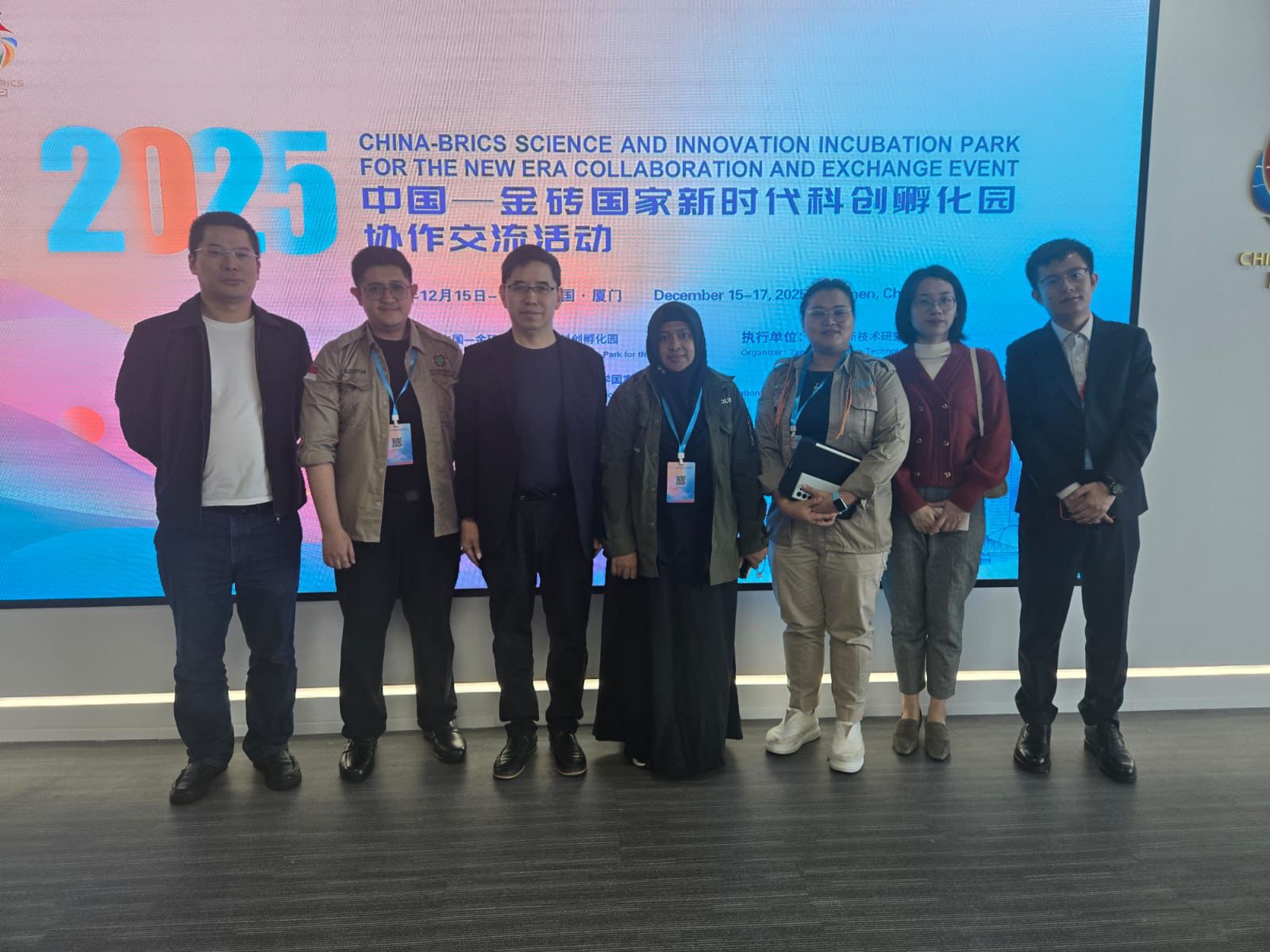
Building an AI-Driven Preventive Healthcare Ecosystem for the Aging Society
By Evlin Marcelline
Introduction
The global healthcare landscape is rapidly shifting from reactive treatment to preventive healthcare. With the growing aging population and rising healthcare costs, there is an increasing need for intelligent systems that can monitor, predict, and prevent health risks before they escalate into serious medical conditions.
This article explores the concept of an AI-driven preventive healthcare ecosystem that integrates wearable technology, intelligent diagnostics, and robotic health assistants to create a more proactive and sustainable healthcare model.
The Problem: Rising Healthcare Burden
Healthcare systems around the world face several structural challenges:
-
Increasing elderly population
-
Rising healthcare costs
-
Late detection of chronic diseases
-
Limited healthcare workforce
Most healthcare systems today operate on a reactive model, where treatment begins only after symptoms appear. This approach leads to higher medical costs and reduced quality of life for patients.
A shift toward preventive healthcare is necessary to detect risks earlier and provide continuous monitoring.
AI and Wearable Technology as the Foundation
Advances in wearable technology and artificial intelligence enable continuous monitoring of vital health data such as:
-
Heart rate variability
-
Blood oxygen levels
-
Sleep patterns
-
Physical activity levels
-
Stress indicators
By integrating these signals with AI algorithms, healthcare systems can identify anomalies, predict health risks, and provide early warnings to both patients and medical professionals.
Such systems allow individuals to maintain healthier lifestyles while reducing the burden on hospitals and clinics.
The Role of Intelligent Health Assistants
One emerging concept is the development of intelligent healthcare companions that support elderly individuals in daily health monitoring.
These assistants combine multiple technologies:
-
AI-driven conversational interaction
-
Computer vision for safety monitoring
-
Health data ingestion from wearables
-
Integration with laboratory diagnostic systems
This approach allows elderly users to interact naturally with technology while ensuring continuous health monitoring.
For example, an intelligent health assistant could:
-
Remind users to take medication
-
Monitor abnormal health indicators
-
Detect falls or emergency situations
-
Provide daily health recommendations
Such systems help create a home-based preventive healthcare environment.
Integrating Diagnostic Ecosystems
Preventive healthcare becomes more powerful when integrated with diagnostic laboratories and healthcare providers.
When wearable signals detect anomalies, the system can automatically recommend diagnostic tests or connect users with medical professionals.
This ecosystem approach connects:
-
Wearables
-
AI analytics platforms
-
laboratory diagnostics
-
insurance and healthcare providers
The result is a continuous health intelligence loop, enabling early intervention and improved healthcare outcomes.
Potential Impact on Insurance and Healthcare Economics
Preventive healthcare ecosystems may significantly transform the healthcare insurance model.
Insurance providers could benefit from real-time health data and risk prediction models. Individuals who maintain healthier lifestyles could receive incentives such as:
-
reduced insurance premiums
-
wellness rewards
-
preventive health programs
This creates a mutual benefit system, encouraging healthier populations while lowering long-term healthcare costs.
Future Outlook
The convergence of AI, wearable technology, robotics, and diagnostic systems will define the next generation of healthcare infrastructure.
Preventive healthcare ecosystems have the potential to:
-
improve quality of life for aging populations
-
reduce healthcare costs
-
enable earlier disease detection
-
support healthcare professionals with intelligent monitoring tools
As these technologies mature, they may reshape the healthcare industry from a reactive system into a predictive and preventive health ecosystem.
About the Author
Evlin Marcelline is involved in technology innovation, system architecture, and digital platform development. Her work focuses on AI-driven systems, enterprise automation, and the development of intelligent technology ecosystems for healthcare and digital industries.
Berita Lainnya
Winter Is Coming! PLN Sudah Merasakan Dampaknya, Bagaimana Dengan Perusahaan Anda?
Perhitungan BPJS Kesehatan Perusahaan
INDOGO.ID: WEBINAR DIGITAL MARKETING